
Waxahachie's older neighborhoods are a big part of its character, and our team gets a lot of questions about what it is really like to buy one of those homes. The short answer: it can be very rewarding, as long as you understand the local rules and inspect with an older house in mind.
This is general information, not legal, tax, or insurance advice. Rules change, so confirm details with the city and the professionals you hire.
Historic districts and overlays in Waxahachie
According to the city's Historic Preservation page, Waxahachie has six districts listed in the National Register of Historic Places: West End, North Rogers Street, Oldham Avenue, Wyatt Street Shotgun House, Marvin-Patrick Street, and the Ellis County Courthouse Historic District. Separately, the city has two local historic overlay districts, the Downtown Historic Overlay and the Oldham Avenue Historic Overlay.
The difference matters. The city describes an overlay as a local zoning tool that controls alterations, expansions, and new construction. A National Register district, by contrast, is a federal recognition that "does not impose local land use controls" on its own. You can check whether a property falls within a district, overlay, or historic resource survey on the city's GIS map, and search National Register listings on the Texas Historical Commission's Historic Sites Atlas.
National Register, state landmark, and local review
The National Park Service explains that National Register listing places no restrictions on what a non-federal owner may do with the property unless a project involves federal funding, licensing, or permitting. State and local laws can still apply. The Texas Historical Commission adds that most Texas properties in the Register are not individually listed but sit within districts, and that the status of contributing properties can change over time.
A Recorded Texas Historic Landmark is a state designation with more teeth. The THC's landmark review page says owners must notify the commission in writing at least 60 days before changing the exterior.
Locally, the city's Certificate of Appropriateness page says a certificate is required under Section 24-56 for alteration, restoration, or new construction of buildings in a historic overlay or historic district, on the National Register, designated a Texas landmark, or considered a historic resource. Minor in-kind repairs are excluded, and the city recommends talking with preservation staff before applying. We noted in our post on buying a home with income potential that the city's pages read a bit differently on National Register properties, so we would ask staff in writing before planning exterior work. The Heritage Preservation Commission meets the second Thursday of each month, which is worth building into a renovation timeline. The governing rules are listed on the city's preservation ordinances page.
The city's historic tax incentive
Waxahachie offers a Historic Tax Incentive for designated historic properties whose owners preserve their historic character. According to the city:
- Eligible residential owners receive a base 25 percent credit on the city's portion of their property taxes.
- Spending at least $1,250 on routine maintenance, such as roof replacement or exterior painting, may add 25 percent. Spending at least $1,250 restoring historic features, such as original windows or porch posts, may add 50 percent.
- Restoration work requires an approved Certificate of Appropriateness first. Work done without prior approval disqualifies the property for that year, regardless of quality. Routine residential maintenance does not require one.
- Applications are accepted each year from November 1 through March 15.
Because owners apply annually, a buyer should plan to apply in their own name. For income-producing buildings, including rental residential, the city's state and federal tax credit page describes a 25 percent state franchise tax credit and a 20 percent federal income tax credit for qualified rehabilitation, with approval required before construction starts. A tax professional can tell you whether either fits.
What to inspect in an older home
A standard Texas home inspection is a limited visual survey. Under TREC's standards of practice, inspectors are not required to inspect concealed items, determine code compliance, measure elevations, run a camera through a sewer line, or do environmental testing. With an older home, those gaps are where specialists earn their fee.
- Foundation. The inspector must give a written opinion on foundation performance. The Texas Water Development Board describes Houston Black clay, found across the Blackland Prairie from north of Dallas to San Antonio, as having very high shrink-swell potential that commonly limits building sites. The USDA notes cracks of a half inch to four inches wide in dry periods. If the report shows signs of movement, a structural engineer's evaluation is a reasonable next step.
- Electrical. Inspectors must report the type of branch circuit wiring and flag issues like missing grounding. A licensed electrician can tell you what older wiring would take to update.
- Plumbing. Since a sewer camera is outside the standard scope, a separate sewer line scope is worth considering on an older property.
- Lead-based paint. For most homes built before 1978, the EPA's disclosure rule gives buyers a 10-day opportunity for a lead inspection or risk assessment, which the parties can agree in writing to lengthen or shorten, and which buyers may waive. Our seller preparation post covers the seller's side.
Insurance and renovation planning
The Texas Department of Insurance notes that most policies do not cover wear and tear or earth movement, and that endorsements are available for foundation damage and extra costs to meet building codes. TDI also recommends replacement cost coverage over actual cash value. Ask for quotes during the option period, not after.
For renovations, the EPA recommends hiring a lead-safe certified contractor for pre-1978 homes, because sanding, cutting, and replacing windows can create hazardous dust. Pair that with any Certificate of Appropriateness or landmark notice, and an older home renovation often runs on a longer calendar than buyers expect.
A practical order of operations
- Confirm the property's status on the city map and the THC Atlas.
- Call city preservation staff about any exterior plans before your option period ends.
- Schedule the general inspection, then specialists as needed.
- Get insurance quotes early.
- Note the tax incentive window if the home qualifies.
If you are weighing an older home in Waxahachie and want help sorting through the rules or lining up inspections, our team is glad to talk it through, with no pressure either way.
Sources
- City of Waxahachie, Historic Preservation.
- City of Waxahachie, Certificate of Appropriateness.
- City of Waxahachie, Heritage Preservation Commission.
- City of Waxahachie, Historic Preservation Ordinances.
- City of Waxahachie, Historic Tax Incentives.
- City of Waxahachie, State and Federal Tax Credit Program.
- City of Waxahachie, Main Interactive Map (GIS).
- Texas Historical Commission, National Register of Historic Places and Historic Sites Atlas.
- Texas Historical Commission, Recorded Texas Historic Landmark Review.
- National Park Service, National Register of Historic Places FAQs.
- Texas Real Estate Commission standards of practice, 22 Tex. Admin. Code §535.227, §535.228, and §535.229 (via Cornell LII).
- USDA Natural Resources Conservation Service, Official Series Description: Houston Black.
- Texas Water Development Board, Houston Black: Texas State Soil.
- U.S. Environmental Protection Agency, Real Estate Disclosures about Potential Lead Hazards.
- U.S. Environmental Protection Agency, Renovation, Repair and Painting Program: Consumers.
- Texas Department of Insurance, Home Insurance Guide.
- Nolen Rogers Realty Team, Buying a Home With Income Potential in Waxahachie.
- Nolen Rogers Realty Team, Getting Ready to Sell in Ellis County.
Nolen Rogers Realty Team, OnDemand Realty.
FROM OUR BLOG

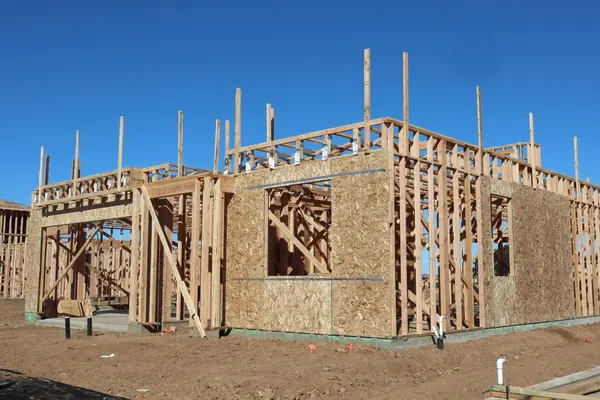
Researching Lennar in Ellis County? What to Know Before You Visit a Model Home
If you are researching Lennar, the most useful thing to know before you walk into a model home is that the sales team works for the builder, not for you. Lennar says so plainly: its consultants represent Lennar and not customers. Buying new construction can be a good fit, but the contract, the incen
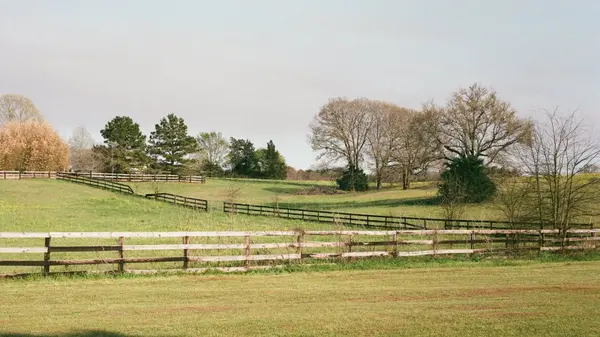
Financing Land and Acreage in Texas: How It Differs From a Regular Home Loan
Buying acreage in Ellis County or the surrounding counties often involves a different kind of loan than buying a house in a subdivision. Here is a practical overview of how land financing works in Texas, so you can start the conversation with lenders on solid footing. Loan programs, rates, and requi
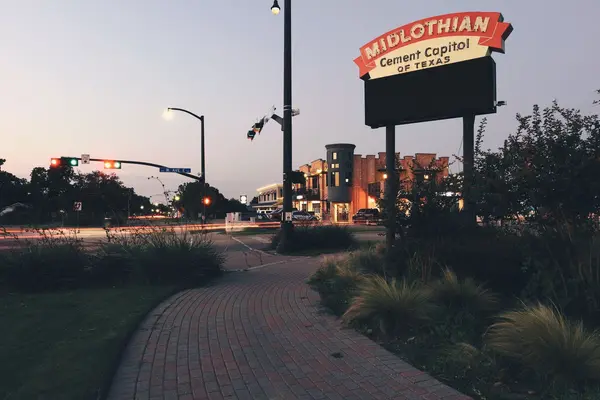
Considering Midlothian, TX? A Practical Guide to Roads, Utilities, Taxes, and Growth
Midlothian sits in northwest Ellis County. The city's budget document describes it as about 25 miles southwest of Dallas on US 67 and 10 miles northwest of Waxahachie on US 287. If you are weighing a home there, here is a practical look at the roads, utilities, parks, growth, and property taxes, plu