Buying acreage in Ellis County or the surrounding counties often involves a different kind of loan than buying a house in a subdivision. Here is a practical overview of how land financing works in Texas, so you can start the conversation with lenders on solid footing.
Loan programs, rates, and requirements change often, so confirm current terms with any lender you are considering.
Raw land and land with a home are different loans
Lenders generally separate vacant land from a home on acreage. Texas Farm Credit, for example, lists land loans for farmland, ranches, and raw acreage separately from its rural home loans. Its rural home page lists terms up to 30 years, no acreage restrictions, and financing for barndominiums and manufactured homes.
So the first question is what you are actually buying: bare land, land you plan to build on, or a home that already sits on acreage.
Farm Credit lenders and patronage
Many Texas land buyers work with Farm Credit associations. According to the Farm Credit Administration, the Farm Credit System's 4 banks and 55 associations are cooperative institutions designed to meet the credit needs of farmers, ranchers, rural cooperatives, and others eligible to borrow, and their loans include rural home mortgages. Federal rules on rural home financing define a rural home as a moderately priced single-family dwelling that will be the owner's principal residence in a rural area, which may include a town of not more than 2,500 people.
Associations active in Texas include Capital Farm Credit, Texas Farm Credit, and AgTrust Farm Credit, which is headquartered in Fort Worth and was formed in December 2023 when Lone Star Ag Credit merged with Ag New Mexico Farm Credit.
Because these lenders are cooperatives, borrowers may receive patronage, a share of the association's earnings. Capital Farm Credit's patronage page explains that its board decides each year how much to return, and that past distributions should not be read as a promise of future ones. Its land loan page reports $2.9 billion in combined cash returns and allocated equities to members since 2006. Texas Farm Credit reported in April 2025 that, on average, its borrowers' effective interest rate was 1.00 percent lower than the contract rate after patronage. Compare the contract rate and fees first, and treat patronage as a possible benefit rather than a guarantee.
Down payments
Land often requires more money down than many home loans. Capital Farm Credit's land loan FAQ says it is typical to finance 80 percent of the value, and as high as 85 percent in some instances, with no private mortgage insurance. Ask each lender for its numbers on the specific tract.
Appraisals when comparable sales are scarce
Rural appraisals can be harder to support. Fannie Mae's comparable sales guidelines note that rural properties often have large lots and may lack recent, truly comparable sales nearby. The appraiser may use sales a considerable distance away, or older sales in areas with minimal activity, but must explain why.
Before signing, talk with us about how your contract handles an appraisal that comes in below the price.
Building on land: construction loans
If you plan to build, the Consumer Financial Protection Bureau explains that a construction loan is usually short-term, generally carries a higher rate than a long-term mortgage, and is typically paid out in a series of advances as work progresses. You may pay it off in a lump sum or convert it to a conventional mortgage, but if it does not convert automatically, you may have to reapply. Ask lenders early whether one loan can cover the land and the build.
Surveys, access, and title from a lender's view
The lender has to know exactly what it is lending against. The Texas Veterans Land Board's land loan requirements are a useful example: the tract must have legal, usable access to a public road at least 60 feet wide or meeting county width requirements, and it must be described by a sealed surveyor's field notes or a recorded subdivision plat. The VLB's application packet adds that the survey must be acceptable to the title company, lists owner's and mortgagee's title policies and survey costs among typical closing expenses, and advises confirming that an unplatted tract complies with city and county requirements and will be eligible for utility connections and building and septic permits.
Our post on acreage due diligence covers wells, septic, surveys, easements, and flood zones in more detail.
Agricultural valuation and your loan
If the land carries agricultural (1-d-1) valuation, plan how you will keep it. The Texas Comptroller's productivity appraisal guide explains that a rollback tax applies when land's use changes to non-agricultural, based on the three tax years before the change. Texas Farm Credit's rural home page lists the ability to retain ag exemptions as a feature. Tell your lender about the valuation up front, since it affects tax estimates. Our post on how 1-d-1 valuation works in Ellis County explains the basics.
Texas Veterans Land Board land loans
The VLB offers a land loan program for eligible Texas veterans and military members. In February 2026, the VLB raised the standard land loan maximum from $150,000 to $200,000, and the amount for two eligible veteran spouses buying the same tract from $225,000 to $275,000. The program page lists a minimum five percent down payment, a tract of at least one acre, a fixed-rate 30-year term, and a current rate of 7.25 percent as of our November 2026 check. It also states that no value is given to improvements on the tract.
Per the VLB, applicants must be at least 18, a legal Texas resident on the date of application, and meet one of its listed service criteria.
Practical steps to get pre-approved
- Decide what you are financing: raw land, land plus a build, or an existing home on acreage.
- Talk with more than one type of lender, such as a Farm Credit association, a local bank, and a mortgage lender, and the VLB if you are eligible.
- Ask each one about loan-to-value, rate type, term, fees, patronage, appraisal timing, and survey requirements.
- Get pre-approved before you make offers. The CFPB notes that lenders use "prequalification" and "preapproval" differently, that some issue preapproval only after verifying your information, and that getting preapproved early can help you catch credit issues in time to fix them.
If you are weighing a land purchase and want help comparing tracts, our team is glad to walk through the details with you and the lenders you are considering.
Sources
- Texas Farm Credit, Rural Real Estate Loans.
- Texas Farm Credit, Rural Home Loans.
- Farm Credit Administration, About banks and associations.
- Electronic Code of Federal Regulations, 12 CFR 613.3030, Rural home financing.
- Capital Farm Credit, Land Loans.
- AgTrust Farm Credit, Our History.
- Capital Farm Credit, Patronage Program.
- Texas Farm Credit, Texas Farm Credit Distributes $27 Million to Stockholders in Patronage Payouts (April 11, 2025).
- Fannie Mae Selling Guide, B4-1.3-08, Comparable Sales.
- Consumer Financial Protection Bureau, What is a construction loan?
- Texas General Land Office, Veterans Land Board, Land Loans.
- Texas Veterans Land Board, Land Loan Application and General Information (PDF).
- Nolen Rogers Realty Team, Before You Close on Acreage in Ellis County.
- Texas Comptroller of Public Accounts, Agricultural Use - Productivity Appraisal (PDF).
- Nolen Rogers Realty Team, How Agricultural (1-d-1) Valuation Works in Ellis County.
- Texas General Land Office, Land Commissioner Buckingham Announces Combined $100,000 Increase in VLB's Land Loan Amounts (February 5, 2026).
- Consumer Financial Protection Bureau, What's the difference between a prequalification letter and a preapproval letter?
Nolen Rogers Realty Team, OnDemand Realty.
FROM OUR BLOG
Considering Midlothian, TX? A Practical Guide to Roads, Utilities, Taxes, and Growth
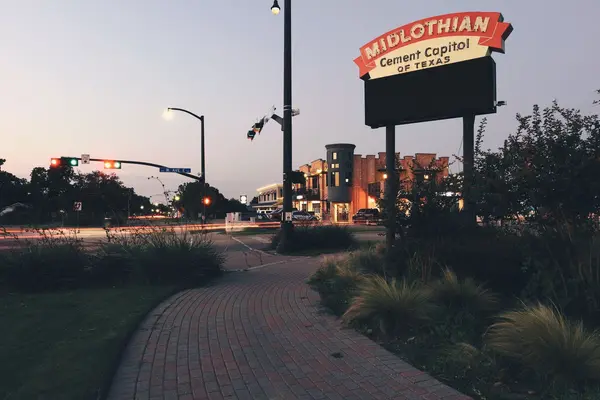
Midlothian sits in northwest Ellis County. The city's budget document describes it as about 25 miles southwest of Dallas on US 67 and 10 miles northwest of Waxahachie on US 287. If you are weighing a home there, here is a practical look at the roads, utilities, parks, growth, and property taxes, plu
Getting Ready to Sell in Ellis County: Disclosures, Surveys, Inspections, and the Option Period
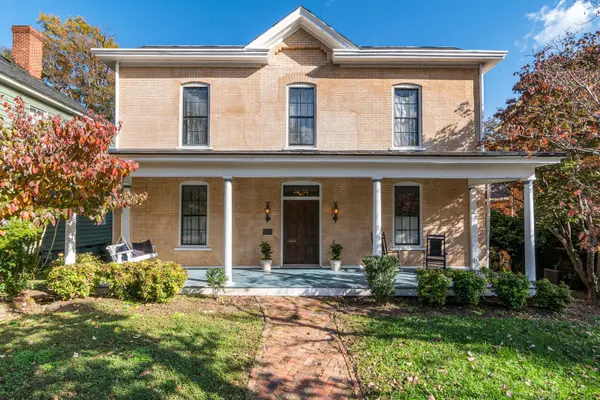
Much of the stress in a home sale shows up after the contract is signed: the inspection report, the repair request, a survey question from the title company. Gathering the right paperwork before listing eases a lot of it. Here is what Texas sellers are typically asked to provide, and what happens du
Buying in a Newer Ellis County Subdivision: MUDs, PIDs, and HOA Dues Explained
Two homes at similar prices in newer Ellis County subdivisions can carry very different monthly costs. The difference often comes from three things that are easy to overlook while touring: a municipal utility district (MUD), a public improvement district (PID), and a homeowners association (HOA). He