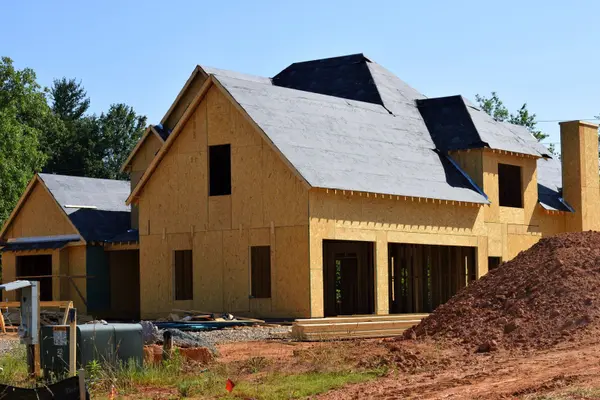
Building on Your Own Land in Ellis County: What to Check Before You Buy a Lot or Acreage
Buying land and building the house you want is a common goal for buyers looking outside city limits. It can work out well, but a tract that looks perfect from the road is not always ready for a house. The time to find out is before you close. Our earlier guide to acreage due diligence covers existin
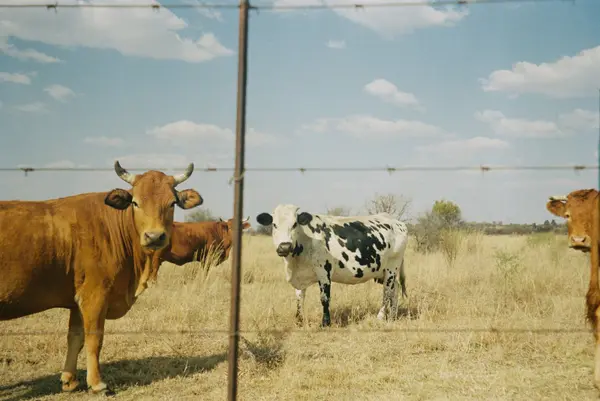
Fencing, Livestock, and Texas Fence Law: What Acreage Buyers in Ellis County Should Know
On a tract of 11 acres or more, the fences, gates, and water often matter as much as the house. They also come with legal duties that can surprise buyers who are new to rural property. Here is a practical overview of the law, the inspection, and the questions to ask before you close. This is general
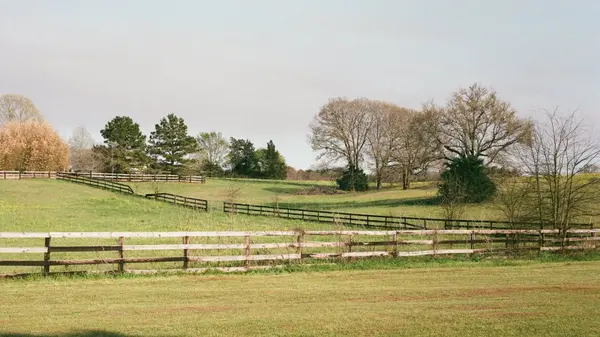
Financing Land and Acreage in Texas: How It Differs From a Regular Home Loan
Buying acreage in Ellis County or the surrounding counties often involves a different kind of loan than buying a house in a subdivision. Here is a practical overview of how land financing works in Texas, so you can start the conversation with lenders on solid footing. Loan programs, rates, and requi
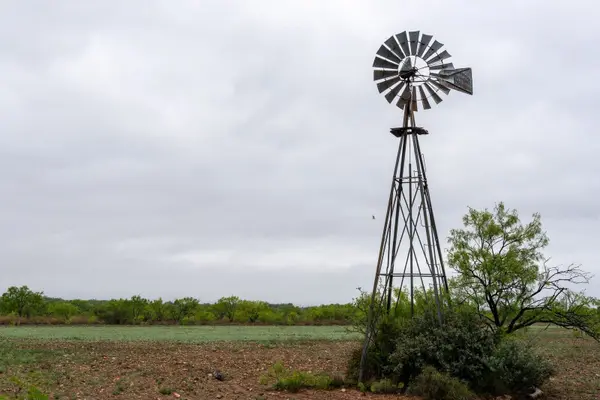
Before You Close on Acreage in Ellis County: Wells, Septic, Surveys, Easements, and Flood Zones
Buying acreage is different from buying a home on a city lot. The water may come from a private well, wastewater goes to a septic system the owner maintains, and boundaries, access, and flood risk deserve a closer look than a standard inspection gives them. None of this is a reason to avoid rural pr
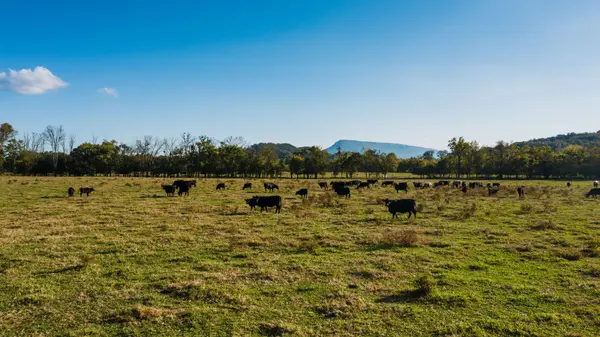
How Agricultural (1-d-1) Valuation Works in Ellis County
When buyers look at acreage in Ellis County, one of the first questions our team hears is about the "ag exemption." It is not an exemption. In Texas, qualified farm and ranch land can receive a special appraisal based on the land's ability to produce agricultural products—often called productivity v